On 10 th September 2026, the team travelled to Kakuuto Sub County in Kyotera District, and Lwanda Sub-county in Rakai district. The field visit provided an opportunity to move beyond the community training and hear directly from people whose homes, businesses and
livelihoods are being shaped by different forms of energy and infrastructure.
One of the key observations from the visit was that many homes are located along the electricity grid pathway but are still not connected to or benefiting from grid electricity. This gap has pushed some households and businesses to explore alternative sources of energy,
particularly solar, to meet their everyday needs.
Moreover, the stories encountered in the field went beyond access to electricity. They showed how energy connects to livelihoods, climate resilience, small businesses and, importantly, the
experiences of communities living alongside large energy infrastructures. What emerged from these discussions and subsequent field visits is a powerful picture of rural resilience,
where clean energy is making a gradual shift.
In many rural areas, energy is rarely just about turning on a light bulb, it is directly tied to household income. As climate shocks become more severe, traditional ways of farming and
doing business are breaking down and making alternative energy a necessity. In the text below, some of the key aforementioned case studies were captured and documented:
Despite steady rain, the team met with Jude Ssali, a prominent businessman and former Local Council III chairman in Kakuuto, Kyotera District. Although Ssali was among the first to
connect to the local grid, unreliable supply and frequent outages forced him to switch to a 200-watt solar system with battery storage. This alternative now powers his household and lodge, covering lighting, television, and partial refrigeration. By transitioning to renewable energy, Ssali has protected his business from grid disruptions, eliminated fuel costs for his backup generator, and removed the health risks associated with inhaling fumes from kerosene lamps, locally known as Tadoba. Today, reliable solar energy is an essential part of his daily operations, keeping his business running uninterrupted.
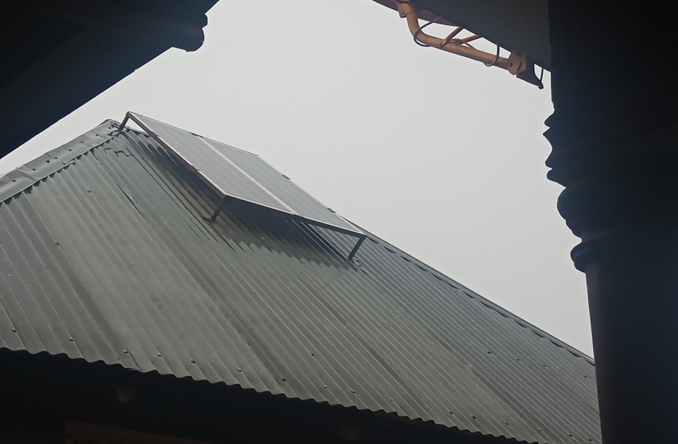
A photo of the 200watts solar system on one of Ssali’s building.
The team also met Agnes Namusiitwa, an influential community member, has integrated a solar-powered fruit dryer into her winemaking business. The technology speeds up and simplifies the drying process, giving her greater control over fruit processing. For Namusiitwa, solar energy does more than power her home, it boosts an income-generating activity by turning local agricultural produce into valuable commercial products. Her success highlights how alternative energy directly improves rural livelihoods and helps small-scale businesses access the affordable, reliable power they need to thrive.
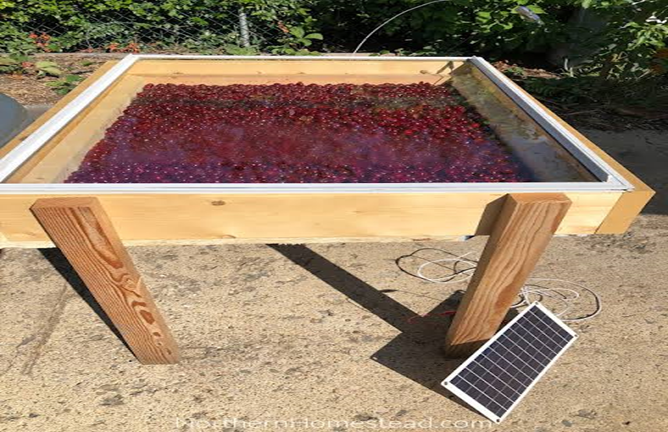
A photo of the locally built solar fruit dryer.
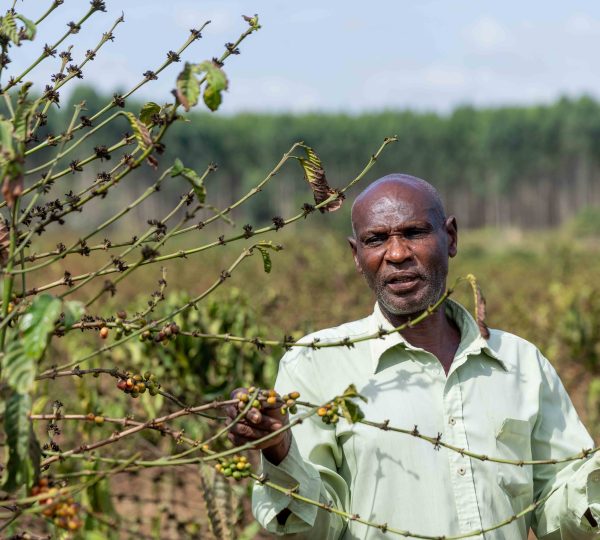
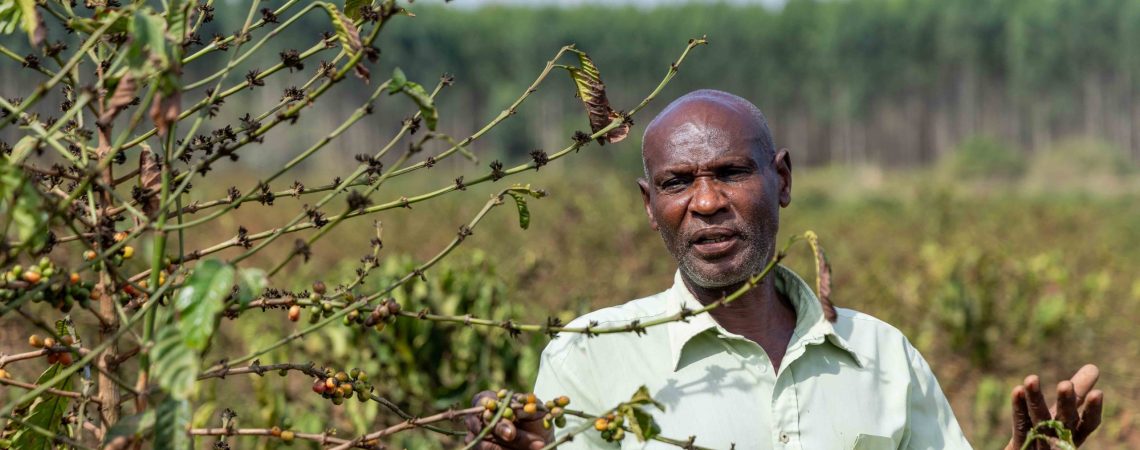
Finally, the team met David Kabumbuli, an EACOP oil-affected farmer from Lwanda Sub-county, Rakai District, saw his livelihood shrink after losing three acres of land to the pipeline project in 2023. This reduction in acreage severely impacted his household income from banana, fruit, and coffee farming. In early 2025, David planted a half-acre coffee plantation, but a severe drought dried up the coffee pods, pushing his expected December 2026 harvest well past May 2027.
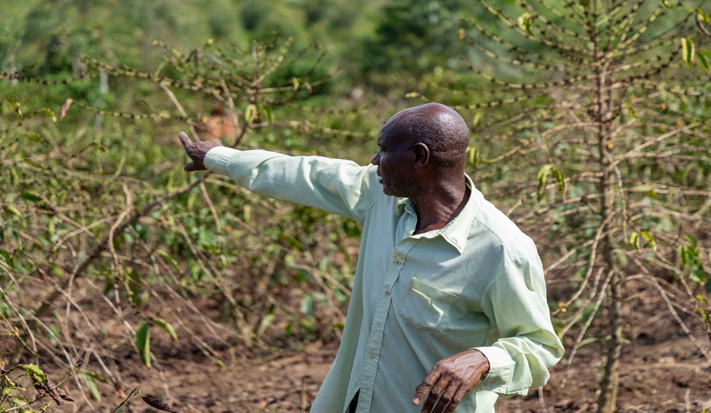
A photo of David in his coffee plantation pointing to an area he envisions to set up his well to be powered by solar irrigation system.
Even after digging a dam in May 2026 to manually water the crops from a nearby source, the plantation could not be saved. David noted that a wealthy neighbor resorted to hiring a petrol-powered pump at a costly and unsustainable rate of over UGX 240,000 per session, which also caused noise pollution. Already using solar energy for household lighting, David envisions utilizing a solar-powered irrigation pump to sustain his crops through dry periods, especially since the local water table is high. His experience highlights how solar technology can provide vital, climate-resilient solutions to help smallholder farmers adapt, protect their crops, and secure their livelihoods.
In conclusion, just energy transition is actively unfolding on the local farms, shops, and small estates of Kyotera and Rakai. Therefore, by embracing solar energy, these communities are demonstrating that a clean energy future is entirely achievable when local people are given the tools, information, and power to lead the way.