Deep down an undulating escapement, you see a scattered settlements surrounding kingfisher oil operations. At the far most peripheral view, down the escapement, a view of the silvery glitters of lake ecosystem confirms fishing as the main livelihood support system in the area, however this is under threat by extortion.
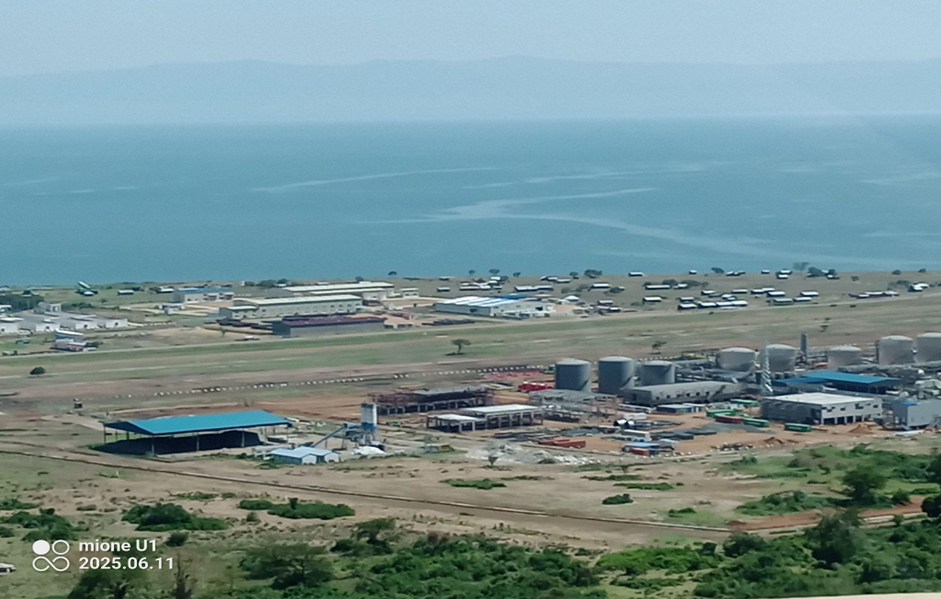
Photo 1: Eye view of the Kingfisher oil operaions and surrounding settelements
“Our school turnout is low,” shared a headteacher from a community school in Buhuuka village. “Most parents are fishermen. They’re charged weekly fees just to fish, and their boats are confiscated when they can’t pay.”
This stark reality sparked a June 2025 investigation by the Environment Governance Institute. Researchers journeyed into Buhuuka fishing communities to uncover the hidden costs of coexisting with major oil development.
John, a resident of Zunzu B, voiced out his concern. “After losing my land to the oil project, fishing became my only lifeline,” he explains. “Then, in early 2022, marine soldiers burned most of my boats.”
While boat burning has reportedly ceased under a new commander, a more challenging practice has taken root: the systematic extortion by men in army uniforms. Fishermen across Buhuuka report a mandatory, unofficial payment of UGX 200,000 (approx. USD 52) every two weeks simply for permission to fish.
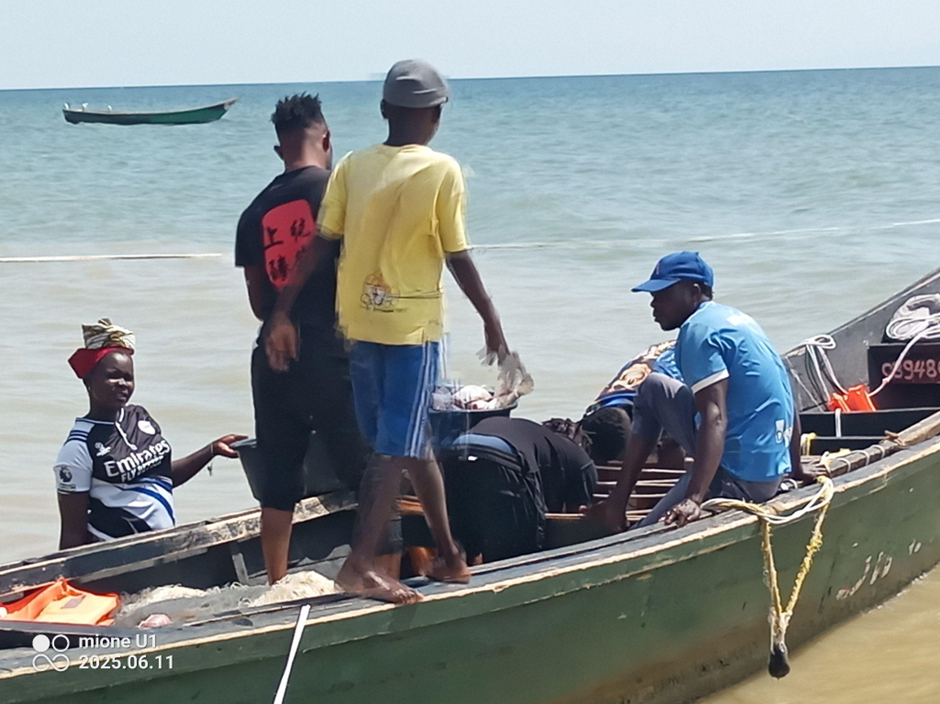
Photo 2: Fishing economies in Buhuuka being threatened by undercover extortions
This payment is never formalized or receipted. Instead, security operatives in army uniforms manually record names and boat details in basic exercise books. Those caught fishing without paying face arrest and immediate boat confiscation.
The cost of retrieving a confiscated boat would always vary from UGX 700,000 to UGX 1,000,000 which pinches deep to the local economy and limited capacity of most oil affected, notably the impoverished households to afford and pay. The confiscated boats are often dragged away, held hostage.
“Sustaining these charges is burdening us,” one fisherman lamented. “Often, recovering a confiscated boat costs more than building a new one.”
Another fisherman, who asked to remain anonymous, described his transition into poverty: “After they took my boat in March 2025, I resorted to selling firewood. Now I earn UGX 100,000 a month which is less that the UGX 500,000 I made in fishing.” I have an extended family to support which is hard for me.
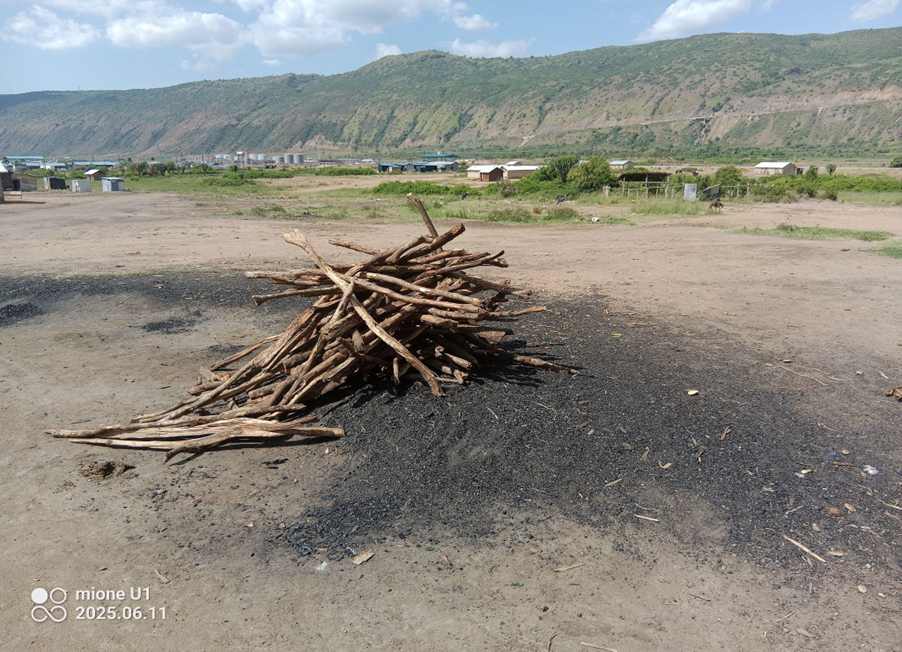
Photo 3: A batch of firewood that John resorted to selling after consequential loss of his boats
“Pay the colossal money stipulated by security personnel to retrieve your stolen livelihood, or watch it rot and be destroyed” lamented another local fisherman interviewed.
The issues have further been compounded by a number of check points of extortion where Fish trader notably women and youth vendors reported facing a notorious informal checkpoint located at the top of the escarpment near the Uganda Revenue Authority (URA) offices. At this spot, security personnel routinely stop them carrying their merchandise and inspect their goods.
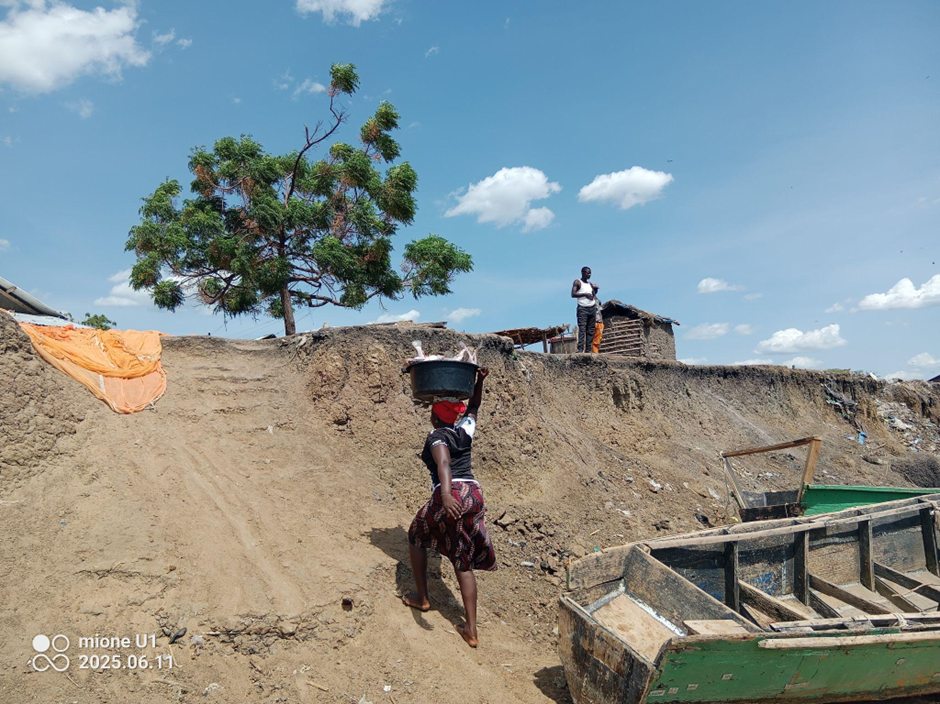
If they are found with fish, the quantity is assessed arbitrarily, and they are compelled to pay unreceipted bribes in order to pass. The bribe amounts vary depending on the load but are typically unaffordable for small-scale traders. Failure to pay results in immediate confiscation of the fish undermining their ability to earn income and feed their families. This grossly impacted the local trade economies and, in many instances, this harassment has discouraged women from participating in the fish trade altogether, thus exacerbating gender inequality and economic exclusion.
An elderly women from Nzunzu B, Buhhuka parish, reported, “we no longer save enough money from our fish proceeds because of ongoing extortions in the area”

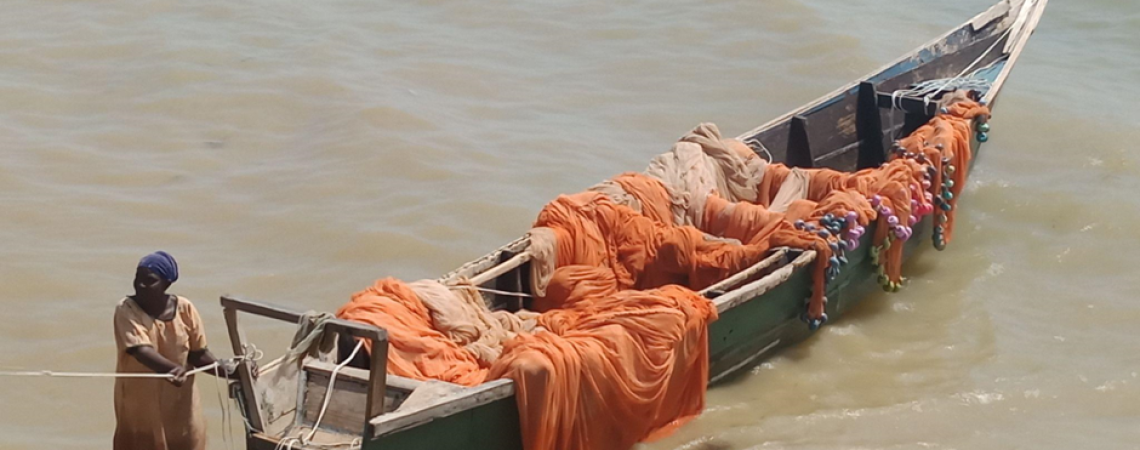
Photo 3: An elderly woman of Nzunzu B village, at the lake Albert, her boat pulled back to the shores
To ensure co-exitance and sustainable livelihoods for the kingfisher oil impacted communites in Buhuuka, we call to CNOOC and other key government stakeholders to investigate this matter and immediately clarify the legal status of any fishing fees. If legitimate, establish a formal, transparent, receipted payment system. If illegal, Communities need to be compensated for disruption of livehoods and extortion and perpetrators charged.
Blog story
By Okwi John Peter
EGI-Uganda